 Compliant Park
Practical · September 28, 2026 · 8 min read
NYC restaurant health inspection preparation checklist
A practical pre-inspection walk for NYC restaurant owners and GMs, built around the location’s repeat violations, food protection coverage, temperatures, pests and records.
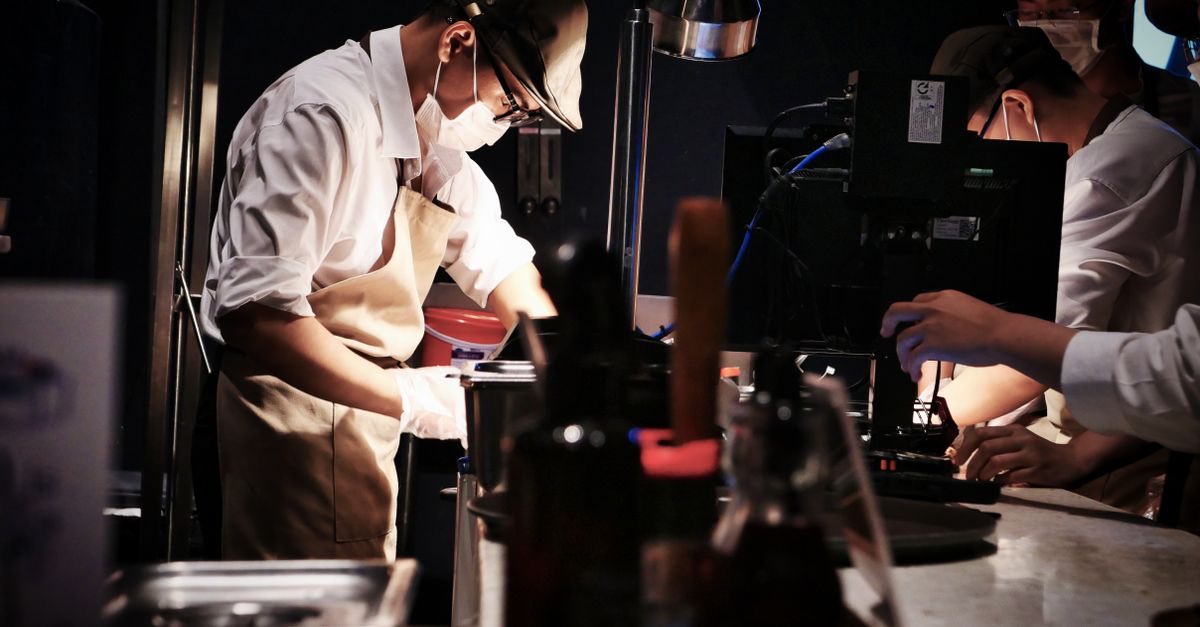
NYC Health inspections are unannounced and take place while a restaurant is receiving or preparing food or open to the public. A useful checklist therefore has to work during an ordinary shift, not only during a scheduled deep clean.
The city checks food handling, temperature, personal hygiene, equipment and facility maintenance, and vermin control. NYC Health describes those inspection areas in its grading guide. Use the list below as a management walk, then confirm details against the current Health Code and the restaurant’s own inspection report.
1. Start with your repeat violations
Pull at least three years of published inspection history. NYC Health allows an operator to request a three-year repeat-violation report, and the public dataset also shows prior findings. Mark every code that appears more than once.
For each repeat, write one observable check. “Watch temperatures” is too vague. “Opening manager records the walk-in and low-boy readings before prep; anything above the limit is moved and reported” can be assigned and verified.
2. Confirm food-protection coverage
NYC requires a certified food-protection supervisor to be on site whenever the establishment is receiving or preparing food or open to the public. Check the schedule, not only the certificate binder. A valid certificate in the office does not cover a shift if the certificate holder is absent. NYC’s restaurant resource page states the coverage requirement.
Keep the certificate available and make sure more than one person can cover holidays, illness and shift changes.
3. Walk temperatures and equipment before service
- Confirm cold and hot holding equipment is operating in the required range.
- Check that probe thermometers work and are calibrated.
- Review recent logs for gaps, copied numbers or readings with no corrective action.
- Make sure staff know what to do when a reading fails.
- Look for food cooling in containers or locations that prevent heat from escaping.
Do not backfill a log. A truthful gap is a training problem. A fabricated record is a trust problem.
4. Check contamination controls
- Separate raw food from ready-to-eat food.
- Keep food covered and stored off the floor.
- Replace deeply scored cutting boards and damaged food-contact surfaces.
- Confirm sanitizer is mixed, tested and used correctly.
- Keep handwashing sinks accessible and supplied.
- Prevent bare-hand contact with ready-to-eat food.
Run the walk during prep and again during the busiest service period. Conditions change once tickets start printing.
5. Look for pest evidence and pest conditions
Inspect behind equipment, under sinks, around pipe penetrations, at exterior doors, near drains, in dry storage and around waste. Look for droppings, gnawing, live insects, standing water, grease, food debris, gaps and clutter that blocks inspection.
Keep the current pest-control contract and service reports together. An invoice proves payment. A service report shows the technician’s findings and what the location was told to correct.
6. Put the records where a manager can reach them
The person in charge should be able to produce, without calling the owner:
- food-protection certificates;
- pest-control reports;
- equipment service and calibration records;
- permits and current grade-card records;
- staff training acknowledgments; and
- photographs and invoices for corrected conditions.
7. Brief the team for the first five minutes
When an inspector arrives, get the person in charge, cooperate, record the arrival time, and write down findings in the inspector’s words. Photograph a cited condition before it changes, then document the correction separately. Do not turn the kitchen into an argument.
This checklist is preparation, not a guarantee or an agency inspection. The restaurant’s published history is the right place to decide what receives attention first.
Open your location’s inspection profile and turn its repeat codes into this week’s walk.
More notes